Here's a breakdown:
Visible from space:
* Large-scale explosions: A nuclear explosion of significant size, like the Tsar Bomba (the largest nuclear weapon ever detonated), could potentially be seen from space. The fireball and the resulting mushroom cloud would be large enough to be visible from orbit.
* Specific conditions: Even smaller explosions might be visible under specific conditions, such as:
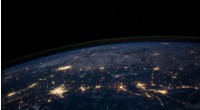
* Nighttime: The fireball would be more visible against the dark background of space.
* Clear atmosphere: A lack of clouds would allow for an unobstructed view.
Not visible from space:
* Small-scale explosions: Smaller nuclear detonations wouldn't be large enough to create a visual signature visible from space.
* Earth's atmosphere: The Earth's atmosphere can obscure the light from an explosion, especially if the observer is in a higher orbit.
Beyond visual:
While not directly visible, the effects of a nuclear explosion can be detected from space through various means:
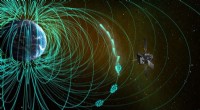
* Satellites: Satellites can detect the electromagnetic radiation, heat signatures, and seismic waves generated by a nuclear explosion.
* Radiation detectors: Space-based radiation detectors could pick up the radiation released by the explosion.
In conclusion:
While a large-scale nuclear explosion might be visible from space under ideal conditions, smaller explosions would likely be undetectable. However, the effects of a nuclear explosion can be detected by instruments in space.