* A celestial body that:
* Orbits the Sun
* Has sufficient mass for its self-gravity to overcome rigid body forces so that it assumes a hydrostatic equilibrium (nearly round) shape
* Has cleared the neighborhood around its orbit
Pluto, which was once considered the 9th planet, was reclassified as a dwarf planet in 2006 because it did not meet the third criteria - it shares its orbital space with other objects in the Kuiper Belt.
There are also numerous other celestial bodies in our solar system, including:
* Dwarf planets: Pluto, Eris, Makemake, Haumea, and Ceres
* Moons: Natural satellites of planets
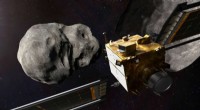
* Asteroids: Rocky bodies mostly found between Mars and Jupiter
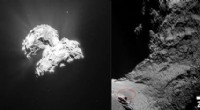
* Comets: Icy bodies that orbit the Sun
* Other small bodies: These include trans-Neptunian objects, Centaurs, and meteoroids
So, while there are only 8 planets in our solar system according to the IAU definition, there's a whole lot more out there!