Here's why:
* The Moon is not a star: Stars produce their own light through nuclear fusion. The moon is a large, rocky body that orbits the Earth.
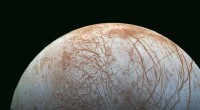
* The Moon's surface reflects sunlight: The moon's surface is covered in a dusty, rocky material called regolith. When sunlight hits the regolith, it reflects some of the light back into space.
* Phases of the Moon: We see different amounts of reflected sunlight from the moon depending on its position relative to the Sun and Earth. This is what creates the phases of the moon.
So, the moon only appears to have light because it is reflecting the Sun's light. When we see the moon as a crescent or a full moon, we are seeing the sunlight that has bounced off its surface.