1. Composition and Properties of Stars:
* Elements: The light emitted by stars reveals their chemical composition. By analyzing the spectrum of light (the different wavelengths present), astronomers can identify the elements present in the star's atmosphere. This tells us about the star's formation, evolution, and even the composition of the galaxy as a whole.
* Temperature: The color of a star is directly related to its surface temperature. Hotter stars emit more blue light, while cooler stars emit more red light.
* Luminosity: The total amount of energy a star emits is its luminosity. This can be determined from the star's brightness and distance.
* Size and Mass: By combining luminosity and temperature, astronomers can estimate a star's size and mass.
2. Understanding Stellar Evolution:
* Lifecycles: Studying the different types of stars and their light allows astronomers to understand the different stages of stellar evolution, from birth to death. This includes processes like nuclear fusion, expansion, and supernova explosions.
* Age and Distance: The color, brightness, and spectral characteristics of stars help determine their age and distance from Earth.
3. Exploring the Universe:
* Galaxy Composition: By studying the light from stars in galaxies, astronomers can understand the types of stars present, the age and composition of the galaxy, and its evolution.
* Exoplanet Detection: Many exoplanets, planets orbiting stars outside our solar system, are detected by observing the slight dimming of the star's light as the planet passes in front of it. This allows astronomers to study the properties of these planets and potentially find habitable worlds.
* Dark Matter and Dark Energy: Analyzing the light from distant galaxies helps scientists understand the distribution of dark matter and dark energy, mysterious components of the universe that affect the expansion of the universe.
4. Technological Advancements:
* Astronomy and Astrophysics: The study of starlight has revolutionized our understanding of the universe.
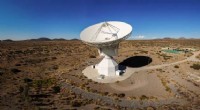
* Telescope Development: The pursuit of studying faint starlight has driven the development of powerful telescopes and detectors.
* Other Fields: The technology used to study starlight has applications in other fields like medicine, communication, and materials science.
In short, studying the light from stars is essential for unlocking the mysteries of the universe and advancing our understanding of the cosmos.