1. Earth's Tilt and Orbit:
* Seasons: The Earth's tilt on its axis (23.5 degrees) causes different parts of the planet to receive varying amounts of sunlight throughout the year. This results in distinct seasons.
* Sun's Path: During summer, the sun is higher in the sky, leading to longer days and stronger sunlight. This causes a brighter and more vibrant blue sky. In winter, the sun is lower in the sky, resulting in shorter days and weaker sunlight, leading to a darker and less vibrant blue sky.
2. Atmospheric Conditions:
* Air Density: The density of the atmosphere can affect how light scatters. Cooler air is denser, and this can lead to more scattering of light, resulting in a paler sky.
* Humidity: Higher humidity can lead to a hazy or milky-white sky due to water vapor scattering sunlight.
* Clouds: The presence and type of clouds can significantly impact the sky's appearance. For example, a clear sky will be bluer than a cloudy sky.
* Pollution: Air pollution can affect the color of the sky, sometimes creating a hazy or yellowish appearance.
3. Time of Day:
* Sunrise and Sunset: During sunrise and sunset, the sunlight travels through more of the atmosphere, scattering more blue light and leaving behind red and orange hues, creating vibrant color displays.
4. Geographic Location:
* Latitude: The further away from the equator you are, the more dramatic the seasonal changes in the sky will be.
* Altitude: Higher altitudes have thinner air, leading to less scattering and a deeper blue sky.
5. Other Factors:
* Moon: The moon can illuminate the sky, especially during the full moon phase.
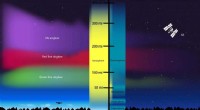
* Aurora Borealis (Northern Lights): This phenomenon occurs when charged particles from the sun interact with the Earth's atmosphere, creating beautiful displays of light in the sky, mainly visible near the poles.
Therefore, the combination of these factors leads to the different sky appearances we observe throughout the year.