1. Birthplace of Stars:
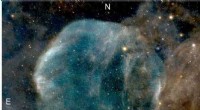
* Nebulae are giant clouds of gas and dust. These clouds are primarily composed of hydrogen and helium, along with trace amounts of heavier elements.
* Gravity plays a key role. Over time, denser regions within the nebula start to collapse under their own gravity. As the cloud contracts, it heats up.
* Protostars are born. Eventually, the core of the collapsing cloud becomes so hot and dense that nuclear fusion ignites. This marks the birth of a star!
2. Stellar Nurseries:
* Nebulae are often referred to as "stellar nurseries" because of their role in star formation. Many nebulae contain multiple protostars, creating entire clusters of newborn stars.
* Examples: The Orion Nebula is a well-known example of an active star-forming region.
3. The Death of Stars:
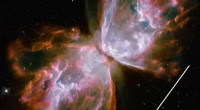
* Some nebulae form from the death of massive stars. When massive stars reach the end of their lives, they explode in spectacular supernova events.
* Supernova remnants create nebulae. The explosion throws off material into space, creating vast, colorful nebulae like the Crab Nebula.
* Supernovae contribute to the cycle. The heavy elements created in the star's core are ejected into the nebula, becoming available for the formation of new stars and planets.
4. The Continuous Cycle:
* The cycle continues. The ejected material from dying stars eventually becomes part of new nebulae, which in turn form new stars. It's a continuous cycle of creation and destruction.
In summary, nebulae are essential to the life cycle of stars. They are the birthplace of stars, the remnants of dying stars, and the reservoirs of material that fuel the next generation of stellar formation.