1. Unprecedented Discovery of Exoplanets:
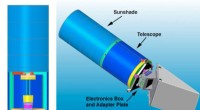
* Quantity: Kepler discovered thousands of exoplanets, vastly expanding our knowledge of planetary systems beyond our own. It's responsible for discovering over 2,600 confirmed exoplanets and 2.5 times that number of candidates awaiting confirmation.
* Diversity: Kepler revealed the immense diversity of exoplanets, showcasing planets of various sizes, compositions, and orbital configurations. This showed that our solar system isn't the only model for planetary systems.
2. Statistical Insights on Planet Formation:
* Frequency: Kepler allowed us to statistically analyze the frequency of planets around stars. This revealed that planets are incredibly common, especially smaller planets like Earth.
* Habitability: Kepler's discoveries provided insights into the potential habitability of exoplanets. It found a significant number of Earth-sized planets orbiting within the habitable zones of their stars.
3. Advances in Exoplanet Characterization:
* Transit Method: Kepler employed the transit method, where a planet's passage in front of its star causes a slight dip in the star's brightness. This technique is now widely used in exoplanet research.
* Planet Properties: Kepler provided information about the size, orbital period, and other properties of discovered exoplanets, allowing scientists to delve deeper into their nature.
4. Legacy and Inspiration:
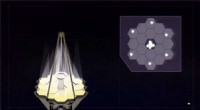
* Future Missions: Kepler paved the way for future missions like TESS (Transiting Exoplanet Survey Satellite) and the James Webb Space Telescope, which are further exploring exoplanets.
* Public Engagement: The mission generated widespread public interest in exoplanets, inspiring the next generation of scientists and space enthusiasts.
In Summary: The Kepler Mission was crucial for our understanding of the universe. It not only significantly expanded our knowledge of exoplanets but also revolutionized the field of exoplanet research. It remains a testament to human ingenuity and our relentless pursuit of knowledge beyond our home planet.