1. High Speed: Meteoroids enter the Earth's atmosphere at incredibly high speeds, often exceeding 40,000 miles per hour.
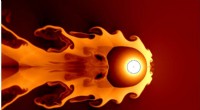
2. Air Resistance: As the meteoroid plunges through the air, it encounters intense resistance from the molecules of the atmosphere.
3. Friction & Heat: This resistance generates immense friction, causing the surface of the meteoroid to heat up rapidly.
4. Ionization & Incandescence: The intense heat causes the meteoroid's surface material to vaporize, creating a trail of ionized gas. This ionized gas glows brightly, producing the characteristic streak of light we call a meteor.
5. Ablation: The process of vaporization and shedding of material from the meteoroid's surface is known as ablation.
Other Factors:
* Composition: The color and brightness of the meteor's streak can vary depending on the composition of the meteoroid.
* Angle of Entry: The angle at which the meteoroid enters the atmosphere can also influence its brightness and duration.
* Size: Larger meteoroids produce more intense streaks of light and are more likely to survive the journey through the atmosphere.
So, in essence, the streak of light is a result of the intense friction generated by the meteoroid's high-speed entry into the atmosphere, causing it to heat up, ionize the surrounding air, and glow brightly.