* Location: Is it near a city, rural area, or over water?
* Time of day: Is it daytime, dusk, or night?
* Movement: Is it moving in a straight line, erratically, or in a predictable pattern?
* Color: Is it white, red, green, or another color?
Here are some possibilities:
Natural Phenomena:
* Planets: Bright planets like Venus, Jupiter, and Mars are often visible in the sky and can appear as bright, slow-moving lights. They usually move in predictable patterns across the sky over time.
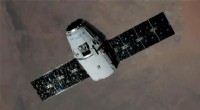
* Satellites: These can appear as bright, slow-moving lights, particularly in the evening or early morning. They may appear to move in straight lines, but their paths can vary depending on their orbit.
* Meteors: These are streaks of light caused by small pieces of debris entering the Earth's atmosphere and burning up. While most meteors are fleeting, some larger ones can produce a bright, long-lasting light.
* Lightning: While more common at night, lightning can sometimes be seen during the day as a bright flash of light. It's usually followed by a thunderclap, though the sound may be delayed.
Human-Made Objects:
* Aircraft: These can appear as bright lights, especially when they are flying high in the sky or using landing lights. They usually move in straight lines or follow specific flight paths.
* Drones: These are becoming increasingly common and can sometimes be mistaken for UFOs. They are often smaller and quieter than airplanes, but can still be visible as lights in the sky.
* Searchlights: These are powerful lights that are often used for search and rescue or other purposes. They can appear as bright, stationary lights or as beams moving across the sky.
Unidentified Phenomena:
* UFOs: While there is no scientific evidence to support the existence of unidentified flying objects, some people believe that they are responsible for unusual sightings in the sky.
To determine the most likely explanation for a slow-moving bright light in the sky, it is helpful to consider the following:
* Look for patterns: Does the light move in a predictable way?
* Check for other features: Does it have a tail, change color, or make any sounds?
* Consult resources: Use online tools like NASA's "Spot the Station" website or astronomy apps to see if there are any known satellites or planets in the area.
If you are still unsure, it is always best to err on the side of caution and report any unusual sightings to your local authorities.