* Extreme Temperature Fluctuations: Mercury has the largest temperature swings in the solar system. Daytime temperatures can reach a scorching 800°F (430°C), while nighttime temperatures plummet to -290°F (-180°C). This extreme variation would make it incredibly difficult to design a spacecraft that could withstand such conditions.
* Thin Atmosphere: Mercury has a very thin atmosphere, called an exosphere, which provides almost no protection from the sun's radiation and solar wind. This means a spacecraft would be exposed to the harsh environment of space, with no atmospheric braking for landing.
* Gravitational Challenges: While Mercury has a relatively weak gravitational pull, landing on its surface would require precision maneuvering and powerful engines to counteract the planet's gravity.
* Surface Challenges: Mercury's surface is heavily cratered and covered in dust. This rough terrain would make landing very difficult and risky.
However, there are some potential ways a spacecraft could interact with Mercury:
* Flyby: A spacecraft could fly past Mercury, capturing images and data without actually landing. This is a common method used by space probes to study planets.
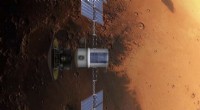
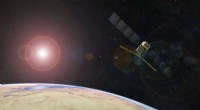
* Orbit: A spacecraft could orbit Mercury, allowing for extended observation and data collection. The MESSENGER spacecraft, which orbited Mercury from 2011 to 2015, provided valuable insights about the planet.
* Soft Landing (future possibility): Future technology might allow for a soft landing on Mercury. This would likely require a spacecraft with advanced thermal protection systems, powerful engines, and sophisticated navigation capabilities.
In conclusion, while a traditional landing on Mercury is currently very challenging, future technological advancements may allow for more complex interactions with the planet, including potential soft landings in the distant future.