1. Lunar Phases:
* The Moon itself doesn't produce any light. We see it because its surface reflects sunlight.
* The amount of the Moon's illuminated surface visible from Earth changes as the Moon orbits our planet. This change in the illuminated portion is what we call the lunar phases.
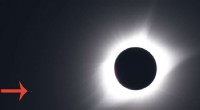
* New Moon: The Moon is between the Sun and Earth, so its illuminated side is facing away from us, making it invisible.
* Waxing Crescent: A small sliver of the illuminated side becomes visible.
* First Quarter: Half the Moon is illuminated.
* Waxing Gibbous: More than half the Moon is illuminated.
* Full Moon: The entire face of the Moon is illuminated, as it's opposite the Sun in the sky.
* Waning Gibbous: The illuminated portion starts shrinking.
* Last Quarter: Half the Moon is illuminated again, but the opposite side is lit compared to the First Quarter.
* Waning Crescent: Only a sliver of the illuminated side remains visible.
2. Earthshine:
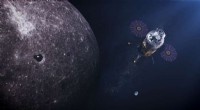
* Sometimes, even during the New Moon phase, a faint glow can be observed on the dark side of the Moon.
* This is Earthshine, caused by sunlight reflected from Earth and illuminating the Moon's surface.
3. Other Factors:
* Distance between the Earth and the Moon: When the Moon is closer to Earth, it appears larger.
* Atmospheric conditions: Clouds, dust, and other atmospheric particles can affect the brightness and clarity of the Moon's appearance.
In summary, the Moon's appearance is a fascinating interplay of light, geometry, and the Earth's perspective. As it orbits the Earth, the changing angle of sunlight hitting its surface creates the cycle of lunar phases we observe.