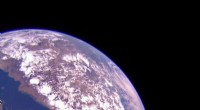
* Earth's Atmosphere: Our planet's atmosphere isn't a smooth, unchanging blanket. It's filled with pockets of air at different temperatures and densities, constantly moving and mixing.
* Light Bending: As starlight travels through this turbulent atmosphere, it gets bent and refracted (like light through a prism) by these different air pockets.
* Flickering Effect: This bending and refracting of light causes the starlight to appear to dance and flicker, changing direction and intensity as the air pockets move.
Think of it like looking at a light through a shimmering heat wave. The light seems to move and change because of the distorted path it takes through the hot, uneven air.
Fun Fact: Stars appear to flicker more on nights with a lot of air movement, like when it's windy or there are clouds present. On calm, still nights with very little atmospheric turbulence, stars often appear to shine with a steady, unwavering light.