Hubble's Advantages:
* Above the atmosphere: Hubble orbits above the Earth's atmosphere, which distorts and absorbs light. This allows for:
* Sharper images: No atmospheric blurring.
* Observation of wavelengths: Can observe ultraviolet and infrared light, which are absorbed by the atmosphere.
* Uninterrupted viewing: No clouds or weather to obstruct observations.
* Longer observation time: Can spend days or even weeks observing the same object, allowing for more detailed studies.
* Adaptable: Hubble's instruments can be upgraded by astronauts, allowing for improved capabilities over time.
Hubble's Drawbacks:
* Limited size: Due to launch constraints, Hubble is relatively small compared to some ground-based telescopes.
* Limited reach: Can only observe objects in a relatively small area of the sky at any given time.
* Expensive to maintain: Sending astronauts to service Hubble is costly and complex.
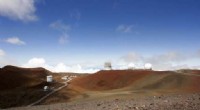
Ground-based Telescopes' Advantages:
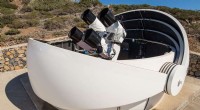
* Larger size: Can be built much larger than space telescopes, collecting more light and offering greater detail.
* Adaptable: Can be upgraded and modified more easily than Hubble.
* More accessible: Cheaper to operate and maintain than a space telescope.
In conclusion:
Hubble is a powerful tool for astronomy because it avoids the limitations of Earth's atmosphere. However, ground-based telescopes have advantages in terms of size and accessibility. The ideal telescope for a particular research project depends on the specific scientific goals and available resources.
It's important to note that the development of extremely large ground-based telescopes, like the Extremely Large Telescope (ELT) and the Giant Magellan Telescope (GMT), is bridging the gap between the capabilities of ground and space telescopes.