Nebular Hypothesis
* Process: A large, rotating cloud of gas and dust (the solar nebula) collapses under its own gravity. As it collapses, it flattens into a disk.
* Formation: Planetesimals, small rocky bodies, form within the disk through accretion. These planetesimals eventually collide and coalesce to form planets.
* Timeline: Millions of years for planetesimals to form and hundreds of millions of years for planets to coalesce.
Giant Impact Hypothesis (Moon Formation)
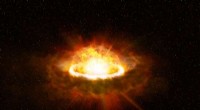
* Process: Early in the Earth's history, a Mars-sized object, called Theia, collides with the Earth. The impact is so powerful that it melts both bodies and ejects a massive amount of debris into space. This debris forms a disk around the Earth.
* Formation: The debris in the disk cools and accretes, eventually forming the Moon.
* Timeline: Estimated to have occurred about 50-100 million years after the Earth formed.
Key Differences:
1. Origin of Material: Nebular Hypothesis forms planets directly from the solar nebula. Giant Impact Hypothesis forms the Moon from debris ejected from an impact.
2. Scale of Collision: The Nebular Hypothesis involves smaller, gentler collisions between planetesimals. The Giant Impact Hypothesis involves a catastrophic collision with a large object.
3. Timing: The Moon formed significantly later than the Earth, while planets formed within the solar nebula.
In Summary:
* The Nebular Hypothesis explains the formation of planets from the solar nebula.
* The Giant Impact Hypothesis specifically explains the Moon's formation through a catastrophic event involving the Earth and a Mars-sized body.
The Giant Impact Hypothesis is currently the most widely accepted model for the Moon's formation. However, it's important to remember that scientific models are constantly refined as new evidence emerges.