1. Dwarf Planets: These celestial bodies are similar to planets but haven't cleared their orbital path of other objects. Famous examples include Pluto, Eris, Ceres, and Makemake.
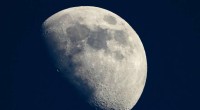
2. Moons: These natural satellites orbit planets. Jupiter and Saturn have dozens of moons each, while Earth has just one.
3. Asteroids: These rocky bodies mainly reside in the asteroid belt between Mars and Jupiter.
4. Comets: These icy bodies travel in highly elliptical orbits, often with spectacular tails when they approach the Sun.
5. Meteoroids: These are small rocky or metallic bodies that can enter Earth's atmosphere, creating meteors (shooting stars).
6. Dust and Gas: The solar system is filled with tiny particles of dust and gas, forming a thin, invisible "atmosphere" around the Sun called the heliosphere.
7. Kuiper Belt: This region beyond Neptune is home to many icy bodies, including dwarf planets like Pluto.
8. Oort Cloud: This vast, spherical region far beyond the Kuiper Belt is believed to be the source of long-period comets.
9. Rings: Saturn is famous for its rings, but other gas giants like Jupiter, Uranus, and Neptune also have ring systems.
10. Trojans: These asteroids share an orbit with a planet, usually grouped at the planet's leading or trailing Lagrange points. For example, Jupiter has many Trojan asteroids.
And there's likely much more we haven't discovered yet! The solar system is vast and full of surprises.