1. Ionization:
* The ionosphere is named for its key characteristic: ionization. Solar radiation, particularly ultraviolet (UV) and X-rays, interacts with the atmospheric gases (like nitrogen and oxygen). This interaction strips electrons from atoms and molecules, creating positively charged ions and free electrons.
* This process is most intense during the day due to the sun's direct radiation. At night, the ionosphere weakens, though it doesn't disappear entirely.
2. Radio Wave Propagation:
* The free electrons in the ionosphere can reflect radio waves, allowing long-distance communication. Different layers of the ionosphere reflect different frequencies of radio waves.
* This property enables radio broadcasts to travel around the globe and is crucial for things like AM radio and shortwave communications.
3. Auroras:
* When charged particles from the sun (solar wind) enter Earth's magnetic field, they can be funneled towards the poles.
* These particles collide with atoms and molecules in the ionosphere, causing them to become excited.
* As these excited atoms return to their ground state, they emit light, creating the stunning displays we call auroras (northern lights and southern lights).
4. Space Weather Effects:
* The ionosphere is influenced by space weather, which can cause disturbances like geomagnetic storms. These storms can disrupt radio communications, GPS navigation, and even power grids.
5. Other Phenomena:
* The ionosphere also plays a role in various other phenomena, including:
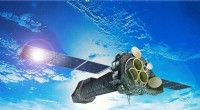
* Satellite drag: Friction between the ionosphere and satellites can cause them to slow down and eventually re-enter the atmosphere.
* Heating of the thermosphere: The energy absorbed during ionization heats the upper atmosphere.
* Atmospheric drag on space debris: The ionosphere contributes to the slow decay of space debris orbits.
Layers of the Ionosphere:
The ionosphere is divided into different layers, each characterized by different densities of ions and electrons:
* D-layer: Lowest layer (50-90 km), absorbs lower frequency radio waves and disappears at night.
* E-layer: Middle layer (90-150 km), reflects higher frequency radio waves and plays a role in long-distance communications.
* F-layer: Highest layer (150-1,000 km), divided into F1 and F2 sub-layers, responsible for reflecting most radio waves for long-distance communication.
In summary, the ionosphere is a dynamic and vital part of Earth's atmosphere, playing a crucial role in radio communications, space weather, and other important processes. Its ionization and reflection properties create a complex environment with significant impacts on our planet and its technology.