Major Objects:
* Sun: 1
* Planets: 8 (Mercury, Venus, Earth, Mars, Jupiter, Saturn, Uranus, Neptune)
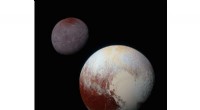
* Dwarf Planets: At least 5 officially recognized (Pluto, Eris, Makemake, Haumea, Ceres), with many more candidates.
Smaller Objects:
* Moons: Over 200 known moons orbiting the planets.
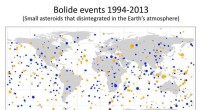
* Asteroids: Millions, concentrated in the asteroid belt between Mars and Jupiter.
* Comets: Billions, icy bodies that orbit the Sun in highly elliptical paths.
* Other Debris: The solar system is full of dust, gas, and smaller particles.
So, the answer depends on what you consider:
* Just major bodies: 14 (1 Sun + 8 Planets + 5 Dwarf Planets)
* Including moons: Over 200
* Including asteroids and comets: Millions, or even billions
It's safe to say the solar system has a LOT of heavenly bodies!