Here's a breakdown:
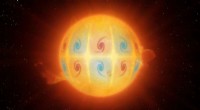
* Solar Flares: These are sudden, intense bursts of energy from the Sun's surface, releasing a tremendous amount of electromagnetic radiation, including X-rays and radio waves.
* Coronal Mass Ejections (CMEs): These are huge bursts of plasma and magnetic field that erupt from the Sun's corona. They are often associated with solar flares but can occur independently.
* Geomagnetic Storms: When CMEs reach Earth, their magnetic fields interact with Earth's magnetic field, causing a disturbance known as a geomagnetic storm. These storms can lead to various effects on Earth, including:
* Aurora Borealis (Northern Lights) and Aurora Australis (Southern Lights): The colorful lights seen in the sky near the poles.
* Disruptions to power grids: Causing blackouts or voltage fluctuations.
* Interference with satellite communications and navigation systems: Affecting GPS, radio, and other communication systems.
* Increased radiation exposure: Potentially affecting astronauts in space and passengers on high-altitude flights.
Important Note: While solar flares are powerful events, they are not the only source of geomagnetic storms. CMEs can occur without a preceding flare, and they can be a more significant cause of geomagnetic storms.