Here's why it's difficult to give a precise answer:
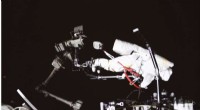
* Servicing missions: Hubble has been serviced by astronauts on multiple occasions, extending its lifespan. However, NASA has not planned any further servicing missions due to the retirement of the Space Shuttle program.
* Orbital decay: The telescope's orbit is slowly decaying, meaning it's getting closer to Earth. Eventually, this will cause it to re-enter the atmosphere and burn up.
* Technological limitations: Hubble's systems are aging, and while some components have been replaced, others are reaching their end of life.
While the exact lifespan remains unknown, NASA continues to monitor the telescope's condition and is exploring options for extending its operational life, possibly through a robotic mission to perform necessary repairs.
It's important to remember that Hubble has already surpassed its initial design lifespan by a significant margin. Its ability to continue making groundbreaking discoveries is a testament to its remarkable engineering and the dedication of the scientists and engineers who keep it operating.