Beginner-Friendly Projects:
* Building a sundial: Learn about the movement of the sun and how to measure time using the sun's position in the sky.
* Observing the moon's phases: Chart the phases of the moon over a month and document your observations. You can even create a visual representation of the phases using different materials.
* Creating a model of the solar system: Use materials like styrofoam balls, paint, and wire to build a scale model of our solar system.
* Identifying constellations: Learn about different constellations and create a star chart to guide your observations in the night sky.
* Building a simple telescope: Learn the basics of optics and build a simple telescope using everyday materials like cardboard tubes and lenses.
Intermediate Projects:
* Measuring the distance to a celestial object: Use the concept of parallax to estimate the distance to a star or planet.
* Comparing the brightness of stars: Use a light meter or your smartphone's camera to measure the brightness of different stars and compare their magnitudes.
* Exploring the life cycle of stars: Research and present the different stages of stellar evolution, including the formation of stars, their life on the main sequence, and their eventual death as white dwarfs, neutron stars, or black holes.
* Building a spectrometer: Learn about spectroscopy and create a simple spectrometer to analyze the light from various sources like light bulbs, stars, and other celestial objects.
* Modeling the effects of gravity: Use marbles, a canvas, and sand to create a visual representation of how gravity influences the movement of celestial objects.
Advanced Projects:
* Analyzing data from space telescopes: Obtain data from telescopes like Hubble or Kepler and use it to analyze the properties of stars, galaxies, or exoplanets.
* Simulating the formation of planetary systems: Use computer simulations to model the formation of planets around stars and investigate factors like dust disks and gravitational interactions.
* Exploring the nature of dark matter and dark energy: Research the evidence for these mysterious components of the universe and explore their potential impacts on the evolution of the cosmos.
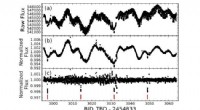
* Developing a method to detect exoplanets: Research existing methods for detecting exoplanets and propose a new or improved technique.
* Investigating the potential for life on other planets: Explore the criteria for life as we know it and consider how these criteria might apply to planets orbiting other stars.
Tips for Success:
* Choose a topic that interests you: This will make the project more engaging and fun.
* Start early: Astronomy projects can be complex, so give yourself plenty of time to research, experiment, and analyze your data.
* Break down the project into smaller steps: This will make the project seem less daunting and help you stay on track.
* Document your process: Keep a detailed record of your research, observations, data analysis, and conclusions.
* Present your findings clearly and creatively: Use visual aids like graphs, charts, and models to make your project more engaging for your audience.
Remember, these are just a few ideas to get you started. There are many other astronomy science fair projects you could explore. Have fun and let your curiosity guide you!