* Early Formation: Jupiter is a gas giant, and models suggest these giants formed early in the solar system's history, likely within the first few million years.
* Core Accretion: Jupiter is thought to have formed through the process of core accretion. This means a solid core of rock and ice first formed, and then it rapidly drew in massive amounts of gas from the surrounding protoplanetary disk. This process likely occurred relatively quickly compared to the formation of smaller, rocky planets like Earth.
* Gravitational Dominance: Jupiter's immense gravity likely influenced the formation of the other planets, potentially affecting their timing and development.
How Jupiter likely formed:
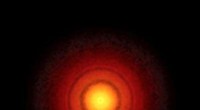
1. Dust and Gas: The young solar system was a swirling disk of gas and dust.
2. Core Formation: Small particles of dust and ice collided and stuck together, gradually forming larger and larger bodies called planetesimals. These eventually coalesced into a solid core.
3. Gas Accretion: The core's gravity grew strong enough to pull in vast amounts of hydrogen and helium gas from the surrounding disk.
4. Growth and Evolution: Over time, Jupiter's core continued to grow, and it eventually became the massive gas giant we see today.
Important Note: While Jupiter is likely among the oldest, there's no guarantee it's the absolute oldest. Our understanding of planetary formation is still evolving, and new discoveries might change our current theories.