This age is determined through various methods, including:
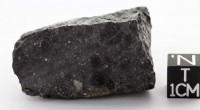
* Radiometric Dating: Scientists analyze the decay of radioactive isotopes in meteorites and ancient rocks to calculate their age. These meteorites are thought to be remnants of the early solar system.
* Lunar Samples: Analyzing the rocks brought back from the moon by Apollo missions also helped scientists determine the age of the solar system.
* Asteroid Samples: Analyzing the composition of asteroids can provide insights into the early conditions of the solar system and the age of its constituents.
It's important to note that the formation of the planets was not an instantaneous event. It was a long and complex process that took millions of years.
Here's a simplified timeline:
* 4.567 billion years ago: The Sun forms from a collapsing cloud of gas and dust.
* 4.54 billion years ago: The remaining material around the Sun starts to clump together, forming planetesimals.
* Over millions of years: These planetesimals collide and accrete, eventually forming the planets we see today.
The planets continue to evolve even today, influenced by impacts, volcanic activity, and other processes.