Why airplanes fly:
* Air: Airplanes use wings to generate lift, a force that pushes them upwards. This lift is created by the difference in air pressure above and below the wing, which is a result of the air flowing faster over the top of the wing.
* Gravity: Airplanes need to overcome Earth's gravity to stay aloft.
Why spaceships can travel in space:
* No air: There is no air in space, so wings wouldn't be helpful.
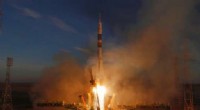
* Momentum: Spaceships use rockets to propel themselves. The rockets burn fuel, expelling hot gases in one direction, which pushes the spaceship in the opposite direction (Newton's Third Law of Motion).
* Inertia: Once a spaceship is moving, it will continue moving in a straight line at a constant speed unless acted upon by an outside force. This is because of inertia, which is the tendency of an object to resist changes in its motion.
How spaceships change direction:
* Thrusters: Spaceships use small engines called thrusters to adjust their direction. They fire these thrusters in the direction they want to move.
* Gravity: Spaceships can also use the gravity of planets and stars to change direction. This is called a gravity assist maneuver.
Key takeaway:
Spaceships move through space by using rockets to propel themselves, and then rely on inertia to keep them moving. They use thrusters and gravity to adjust their course.