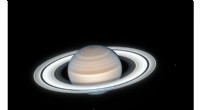
* Jupiter's Clouds are Deep and Diverse: Jupiter's atmosphere is composed of thick layers of clouds, made up of ammonia, ammonium hydrosulfide, and water. These clouds are much deeper and more dynamic than Earth's, forming bands and zones of different colors.
* No Solid Surface: Unlike Earth, Jupiter doesn't have a solid surface. Its atmosphere gradually transitions into a liquid interior, making the concept of "coverage" less applicable.
* Constant Change: Jupiter's atmosphere is constantly churning, with storms, winds, and changes in cloud formations happening all the time. It's more about the distribution and patterns of different cloud layers, rather than coverage.
Instead of cloud coverage, we talk about:
* Cloud Belts and Zones: Jupiter's atmosphere is divided into distinct bands of clouds, alternating between lighter-colored zones and darker-colored belts.
* Great Red Spot: The most famous feature is the Great Red Spot, a giant storm that has raged for centuries.
* Cloud Composition: Scientists study the composition of Jupiter's clouds to understand the planet's atmosphere and its chemical makeup.
So, while we can't talk about cloud coverage on Jupiter, we can study its atmospheric layers, their composition, and the dynamic patterns that shape its unique appearance.