1. Telescopes:
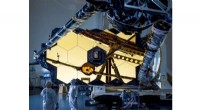
* Ground-based telescopes: These telescopes, like the Keck Observatory, use various techniques like radial velocity (measuring the wobble of a star caused by a planet's gravity) and astrometry (measuring the tiny shifts in a star's position due to a planet's gravity) to detect planets.
* Space telescopes: Telescopes like Kepler, TESS, and Hubble have been instrumental in discovering exoplanets using the transit method. This method detects planets by observing the slight dip in a star's brightness as a planet passes in front of it.
2. Techniques:
* Radial velocity: This technique, also known as the Doppler method, measures the slight wobble of a star caused by the gravitational pull of an orbiting planet. This wobble changes the star's light frequency, allowing astronomers to detect the presence of a planet.
* Transit method: This method relies on observing the slight dip in a star's brightness as a planet passes in front of it. This dip, known as a transit, provides information about the planet's size and orbital period.
* Astrometry: This method detects planets by measuring the tiny shifts in a star's position caused by the gravitational pull of an orbiting planet.
* Microlensing: This technique uses the gravitational lensing effect, where the gravity of a massive object (like a star or planet) bends the light from a distant star. When a planet passes in front of a distant star, it can magnify the star's light, making it appear brighter.
3. Data analysis and computational power:
* Sophisticated algorithms and software: These tools are essential for analyzing the vast amounts of data collected by telescopes and for identifying potential planetary signals from the noise.
4. Collaboration and interdisciplinary research:
* The discovery of exoplanets is a collaborative effort involving astronomers, physicists, engineers, and computer scientists from around the world.
In conclusion, the discovery of exoplanets is a testament to the advancements in technology, observation techniques, and collaborative efforts in the field of astronomy. It's a continuous process, with new tools and methods being developed all the time, leading to exciting new discoveries in the future.