1. Emission Nebulae:
- These are often associated with hot, young stars.
- Temperature: Typically around 10,000 Kelvin (K). This heat is generated by the intense radiation from the stars within the nebula.
2. Reflection Nebulae:
- These nebulae are illuminated by nearby stars but do not emit their own light.
- Temperature: They are cooler than emission nebulae, typically around 100 K.
3. Dark Nebulae:
- These nebulae are dense and opaque, blocking the light from stars behind them.
- Temperature: Can vary, but are typically very cold, around 10 K.
4. Planetary Nebulae:
- These are formed when a star like our Sun sheds its outer layers.
- Temperature: Have a wide temperature range, with the central star being very hot (100,000 K), while the expelled gas can be relatively cool (10,000 K).
5. Supernova Remnants:
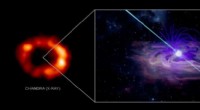
- These are the expanding shells of gas and dust created by supernova explosions.
- Temperature: Can be extremely hot, reaching millions of Kelvin, especially in the early stages.
In summary:
- Hottest: Supernova remnants and the central stars of planetary nebulae.
- Coldest: Dark nebulae.
Key points to remember:
- Nebulae are not uniform in temperature. There can be significant variations within a single nebula.
- The temperature of a nebula can change over time, as it interacts with other celestial objects or as its constituent matter evolves.
It's important to note that the given temperatures are estimations. Specific temperatures vary depending on the nebula itself and the methods used for measurement.