Here's a breakdown of what makes up a constellation:
* Stars: These are the primary components of a constellation. They are distant, massive, luminous balls of plasma that emit light and heat.
* Pattern: The stars within a constellation are often arranged in a recognizable shape or pattern. This pattern is based on our perception from Earth and can change over time due to the movement of stars.
* Mythology and Culture: Most constellations have names and stories associated with them, often stemming from ancient mythology and culture. These stories often provide a context for understanding the arrangement of stars within a constellation.
* Boundaries: In modern astronomy, constellations have defined boundaries that help to organize the night sky. These boundaries are not based on the physical proximity of stars, but rather on the perceived patterns and historical significance of the constellation.
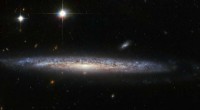
It's important to remember that the constellations we see are just a small part of the Milky Way galaxy, and that there are many more stars and celestial objects beyond our view.