Stars: The most common and obvious source of light in space. Stars generate light and heat through nuclear fusion, where hydrogen atoms fuse to form helium, releasing tremendous amounts of energy.
Other celestial objects that emit their own light:
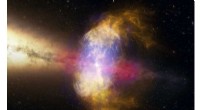
* Nebulae: These are vast clouds of gas and dust. Some nebulae emit light when the gas is excited by nearby stars (emission nebulae), while others reflect light from nearby stars (reflection nebulae).
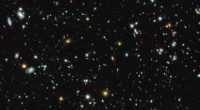
* Galaxies: While individual stars within galaxies emit light, galaxies themselves also emit light as a whole. This light can be a mix of starlight, gas, and dust.
* Supernovae: These are massive explosions that occur at the end of a star's life. They release an incredible amount of light and energy.
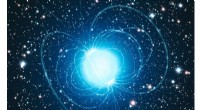
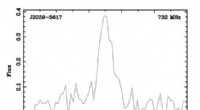
* Pulsars: These are rapidly rotating neutron stars that emit beams of radio waves and sometimes other types of light, which can be observed as pulses.
* Quasars: These are extremely bright and distant objects powered by supermassive black holes at the centers of galaxies. They emit light across the electromagnetic spectrum.
Important Note: Many objects in space *reflect* light, but they don't *emit* their own light. This includes:
* Planets: They reflect sunlight.
* Moons: They reflect sunlight.
* Asteroids: They reflect sunlight.
* Comets: They reflect sunlight and also emit some light from gas and dust as they heat up near the Sun.
Let me know if you'd like to explore any of these objects in more detail!