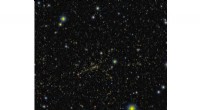
* Atmospheric Turbulence: Twinkling, or scintillation, happens because of the Earth's atmosphere. Air is constantly moving, creating pockets of different densities. When light from a star passes through these pockets, it gets bent (refracted) in different directions. This creates the twinkling effect we see.
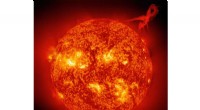
* Angular Size: The sun is a giant ball of fire, appearing as a large disc in the sky. Because of this larger angular size, the light from different parts of the sun averages out the effects of atmospheric turbulence. The bending of light across the entire disc cancels each other out, so we don't see the twinkling effect.
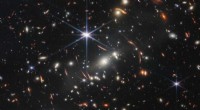
* Distance: Stars are immensely far away, so their light reaches us as a tiny point. This makes them much more susceptible to the random bending caused by atmospheric turbulence. The sun, being relatively close, doesn't have the same issue.
Think of it like this: If you look at a streetlight through a windowpane with imperfections, the light will seem to flicker. However, if you look at a large building through the same windowpane, the building's light will be much less affected by the imperfections.
In short, the sun is too big and too close for its light to be significantly affected by atmospheric turbulence, preventing the twinkling effect we see in stars.