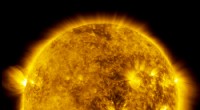
* Exploring the Universe: Witnessing the wonders of space, from galaxies to planets, stars, and nebulae, is an incredible experience. You get to study celestial bodies and phenomena that are mind-blowing and awe-inspiring.
* Constant Learning and Discovery: Astronomy is a field of constant discovery. There's always something new to learn and explore, making the work intellectually stimulating and exciting.
* Contributing to Scientific Knowledge: You're part of a global community pushing the boundaries of our understanding of the universe. Your work can have significant impact on our knowledge of the cosmos.
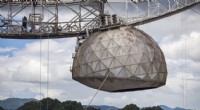
* Opportunity for Travel: Astronomers often work at observatories located in remote and stunning locations, offering the chance to experience different parts of the world.
* Working with Cutting-Edge Technology: You get to work with some of the most advanced telescopes and instruments, pushing the limits of observation and data analysis.
* Flexibility and Work-Life Balance: Many astronomers work flexible hours, allowing for a good work-life balance.
* Community and Collaboration: The astronomical community is collaborative and supportive, offering opportunities to work with colleagues from around the world.
* Highly Competitive Field: Astronomy is a very competitive field, with limited positions available. Landing a job in research or academia can be challenging.
* Limited Job Market: The majority of astronomy jobs are in research or education, making it difficult to find work in other fields.
* Long Hours and Late Nights: Observing sessions often take place at night, requiring astronomers to work long and irregular hours.
* Remote Locations: Observatories are often located in remote and isolated locations, requiring a willingness to live and work away from civilization.
* Weather Dependence: Observing conditions are heavily dependent on weather, which can make it challenging to gather data and conduct research.
* Funding Challenges: Funding for astronomy research can be limited, making it difficult to secure resources for projects and equipment.
* Constant Pressure to Publish: The pressure to publish research findings in prestigious journals can be intense.
Overall, being an astronomer is a challenging but rewarding career. It requires dedication, perseverance, and a passion for the universe. However, the opportunity to explore the cosmos and contribute to scientific knowledge is a truly unique and fulfilling experience.