Natural Phenomena:
* Stars: Two bright stars could be visible in the sky, especially if they are in a constellation or alignment.
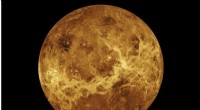
* Planets: Venus and Jupiter are often the brightest objects in the sky after the moon, and they can appear close together at times.
* Meteors (shooting stars): Two meteors could appear in the sky close together, creating the illusion of two lights.
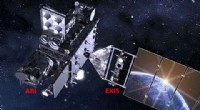
* Satellites: Satellites are often visible as bright, moving lights in the sky. There could be two satellites passing by close to each other.
* Lightning: If you were observing a storm, two lightning strikes could be visible simultaneously.
* Aurora Borealis (Northern Lights) or Aurora Australis (Southern Lights): These displays can create bright, dancing lights in the sky.
Man-made Phenomena:
* Aircraft: Two airplanes flying in formation could appear as two lights.
* Helicopters: Helicopters can appear as two lights because they have a main rotor and a tail rotor.
* Drones: Drones can be equipped with lights, and two drones could be flying close together.
* Searchlights: Searchlights are powerful beams of light that can be visible from far distances.
Other Possibilities:
* Optical Illusions: Sometimes, the human eye can perceive lights that are not actually there, especially in low-light conditions.
* Reflections: Lights from buildings or other sources could be reflected in the clouds, creating the appearance of lights in the sky.
To help narrow down the possibilities, tell me more about what you saw:
* Where were you? (Location and time of day/night)
* How did the lights look? (Color, shape, size, movement)
* How long did they last?
* Did anything else unusual happen at the same time?
Once you provide more details, I can give you a more specific answer.