January:
* Quadrantids: Peak: January 3-4 (up to 120 meteors per hour)
April:
* Lyrids: Peak: April 21-22 (up to 20 meteors per hour)
May:
* Eta Aquarids: Peak: May 5-6 (up to 40 meteors per hour)
July:
* Delta Aquarids: Peak: July 28-29 (up to 20 meteors per hour)
October:
* Orionids: Peak: October 21-22 (up to 20 meteors per hour)
November:
* Taurids: Peak: November 4-5 (up to 5 meteors per hour)
* Leonids: Peak: November 17-18 (up to 15 meteors per hour)
December:
* Geminids: Peak: December 13-14 (up to 120 meteors per hour)
* Ursids: Peak: December 21-22 (up to 10 meteors per hour)
Tips for Meteor Shower Viewing:
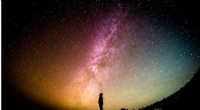
* Find a dark location: Light pollution from cities reduces visibility.
* Be patient: Give your eyes at least 30 minutes to adjust to the darkness.
* Dress warmly: Even on warm nights, it can get chilly after midnight.
* Lie down and look straight up: This way you can see the most meteors.
* Check a meteor shower calendar: Many resources online provide detailed information about meteor showers, including peak times and radiant locations.
Enjoy the celestial show!