* Stars are constantly changing: Stars evolve over billions of years, getting bigger and hotter as they age. A star's size at a given moment is just a snapshot in its life.
* We can't directly measure size: We can't directly measure the size of most stars. Instead, we infer their size based on their brightness, distance, and temperature. This can be imprecise.
However, I can give you a general order of star types, moving from smaller to larger:
1. Red Dwarf Stars: These are the most common type of star in the universe. They are small, cool, and faint, and they burn very slowly.
2. Orange Dwarf Stars: Slightly larger and hotter than red dwarfs, they are still considered relatively small stars.
3. Yellow Dwarf Stars: Our sun is a yellow dwarf star. They are larger and hotter than orange dwarfs and have a much shorter lifespan.
4. White Dwarf Stars: These are the remnants of stars like our sun after they have exhausted their nuclear fuel. They are very dense and compact, but small compared to other types of stars.
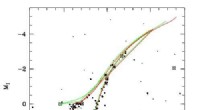
5. Subgiant Stars: These are stars that have started to expand as they age and run out of hydrogen fuel in their core. They are larger than their main sequence counterparts.
6. Giant Stars: These are stars that have expanded significantly as they enter the later stages of their evolution. They are much larger than main sequence stars.
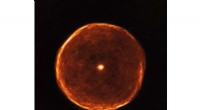
7. Supergiant Stars: These are the largest and brightest stars in the universe. They are very massive and have short lifespans.
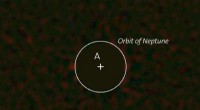
8. Hypergiant Stars: These are the biggest known stars, with diameters hundreds of times larger than our sun. They are incredibly rare and have very short lifespans.
Important Note: This is just a general order, and there are many exceptions. Some stars can be much larger or smaller than others within the same category.
If you're looking for a more specific list, you'll need to provide more information about the specific stars you are interested in.