Gas Giants:
* Jupiter: Famous for its swirling red spot, Jupiter has clouds made of ammonia, ammonium hydrosulfide, and water. These clouds create bands of different colors, with the white bands being higher and colder than the reddish-brown ones.
* Saturn: Saturn's clouds are also composed of ammonia, ammonium hydrosulfide, and water, although they are thinner and more spread out than Jupiter's.
* Uranus and Neptune: These ice giants have clouds made of methane, hydrogen sulfide, and water. Their clouds are often obscured by haze, giving them a bluish appearance.
Other Planets and Moons:
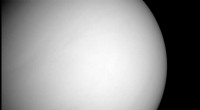
* Venus: Venus has thick, dense clouds composed primarily of sulfuric acid. These clouds trap heat, making Venus the hottest planet in our solar system.
* Mars: Mars has thin clouds made of water ice, although they are often very sparse and difficult to see.
* Titan (Saturn's moon): Titan has a thick atmosphere with clouds made of methane and other hydrocarbons.
* Europa (Jupiter's moon): Europa is thought to have thin clouds of water vapor, although these are difficult to detect.
What Makes Clouds Different on Other Planets:
* Composition: Clouds are made of different materials depending on the planet's atmosphere and temperature.
* Density: Some planets have thick, dense clouds while others have thin, wispy clouds.
* Altitude: The altitude of clouds varies from planet to planet.
* Temperature: The temperature of a planet's atmosphere influences the type of clouds it has.
The study of clouds on other planets helps us understand the composition, climate, and atmospheric processes of these celestial bodies. It also helps us learn more about the diversity of weather and climate in the solar system.