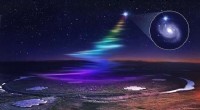
* Turbulence: The atmosphere isn't a smooth, static layer. It's filled with pockets of air at different temperatures and densities. These pockets move and swirl, creating turbulence.
* Light Bending: When starlight passes through these turbulent pockets, it gets bent and refracted (changed direction) in different ways. This bending is constantly changing as the air moves.
* Varying Brightness: The light from a star is spread out in a chaotic pattern, causing the star to appear to flicker and change in brightness – we perceive this as twinkling.
Think of it like this: Imagine looking at a light through a glass of water. The light seems to dance and shimmer because the water is constantly moving, bending the light. The atmosphere acts like a giant, constantly moving glass of water for starlight.
Here's why planets don't twinkle as much:
* Planets are closer: Planets are much closer to Earth than stars. This means that the light from a planet is spread over a larger area in our atmosphere, averaging out the effects of turbulence.
* Planets appear larger: Because planets are closer, they appear larger in the sky. This larger area of light also reduces the noticeable impact of atmospheric bending.
So, while stars twinkle, planets tend to shine with a steady light. This difference helps us distinguish between the two in the night sky.