Celestial Objects:
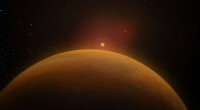
* Planets: Depending on their position in their orbits, Venus, Mars, Jupiter, and Saturn are often visible in the morning or evening sky. They appear as bright, steady points of light.
* Stars: Some bright stars, like Sirius, Arcturus, and Vega, are visible even during twilight.
* Moon: The moon's phases can be observed in the morning or evening, especially when it's close to a full moon.
* Meteors: Occasionally, you might catch a glimpse of a meteor, or "shooting star," streaking across the sky.
Other Natural Phenomena:
* Sunrise and Sunset: These are obvious but spectacular! The colors of the sky during sunrise and sunset are caused by the scattering of sunlight by the Earth's atmosphere.
* Twilight: The period of time between sunset and complete darkness (or sunrise and the first light of dawn) is called twilight. There are different types of twilight, each with its own unique color and light quality.
* Clouds: Beautiful cloud formations can be seen in the sky, especially in the morning or evening when the sun is low in the horizon.
* Aurora Borealis (Northern Lights) and Aurora Australis (Southern Lights): These spectacular displays of light occur in the sky near the Earth's poles. They are most visible in the evening and at times of high solar activity.
* Starships: While not technically a natural phenomenon, astronauts aboard the International Space Station can sometimes be seen orbiting Earth in the twilight hours.
Tips for Observing:
* Find a spot with minimal light pollution: Avoid city lights and look for a dark location with clear skies.
* Check a stargazing app or website: These can help you identify celestial objects and predict their visibility.
* Be patient: Some objects might take time to spot, and weather conditions can affect visibility.
Enjoy exploring the beauty of the night sky!