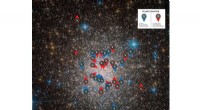
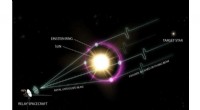
* Stars are scattered randomly: The stars we see in the night sky are spread out across vast distances. There's no inherent order or connection between them.
* Humans create patterns: Due to our limited perspective from Earth, these stars appear close together in certain directions. Our brains are wired to seek patterns, and over centuries, different cultures have identified groups of stars and connected them with imaginary lines to form constellations.
* Cultural significance: These patterns were then given names and stories based on the cultures that observed them. These stories often reflected their beliefs, mythology, and history.
* A useful tool: Constellations have also served as a tool for navigation, timekeeping, and understanding the seasons.
In summary:
* Constellations are human-created constructs based on the apparent positions of stars in our sky.
* They have cultural and historical significance, reflecting the stories and beliefs of different societies.
* They are not physically connected in the way that planets or stars are.
So, while constellations don't exist in an objective sense, they are a fascinating testament to the way humans make sense of the vast and seemingly random universe around us.