* The Core: The Sun's core is incredibly hot and dense. The pressure and temperature are so extreme that hydrogen atoms collide with tremendous force.
* Fusion: When hydrogen atoms collide with enough force, they overcome their natural repulsion and fuse together, forming helium. This process releases a tremendous amount of energy.
* Energy Release: The energy released during fusion is primarily in the form of light and heat, which radiate outwards from the Sun's core.
* Fuel Consumption: As the Sun continues to fuse hydrogen into helium, its core gradually becomes richer in helium and poorer in hydrogen. This process is slow, but over billions of years, it will eventually lead to a change in the Sun's structure and output.
Key Points:
* Slow Process: The Sun's fusion process is extremely slow. It takes millions of years for a significant amount of hydrogen to convert into helium.
* Energy Source: Fusion is the primary source of energy for the Sun and other stars.
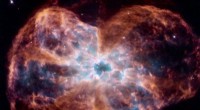
* Future of the Sun: Eventually, the Sun will run out of hydrogen fuel in its core. This will lead to changes in its structure and eventually its eventual demise.
The Sun's transformation from hydrogen to helium is a natural part of its lifecycle, and it's a fascinating example of the power of nuclear fusion in the universe.