Here's how it works:
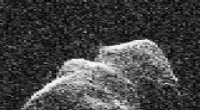
* The Nucleus: A comet's core, or nucleus, is made up of ice, dust, and frozen gases like carbon dioxide, methane, and ammonia. It's essentially a giant dirty snowball.
* Solar Radiation: As a comet approaches the Sun, the solar radiation heats up the nucleus.
* Sublimation: The heat causes the ice to sublimate directly from a solid to a gas, releasing the trapped gases and dust.
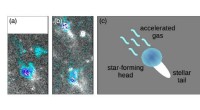
* Coma: The sublimated gas and dust form a large, fuzzy cloud called a coma around the nucleus.
* Tail: The solar wind and radiation pressure push the coma material away from the Sun, creating a long, spectacular tail.
Why it seems like growth and shrinking:
* Approaching the Sun: When a comet is far from the Sun, it's relatively inactive. The nucleus is small, and there's no visible coma or tail. As it approaches the Sun, the heat intensifies, causing more sublimation and a dramatic increase in the size of the coma and tail. This makes the comet appear to "grow."
* Moving Away from the Sun: As a comet moves away from the Sun, it cools down. Sublimation slows down, the coma and tail shrink, and the comet appears to "shrink."
Important Note: The nucleus of a comet itself doesn't actually change size significantly over its lifespan. The changes in size are due to the temporary presence of the coma and tail, which are byproducts of the sublimation process.