1. Find a Dark Location:
* Light Pollution: The biggest enemy of Milky Way viewing is light pollution from cities and towns. You'll need to find a location with minimal artificial light.
* Rural Areas: Head out to a park, countryside, or desert area far away from city lights.
* Dark Sky Parks: These designated locations are designed to minimize light pollution and offer exceptional stargazing opportunities.
2. Choose the Right Time of Year:
* Summer: The Milky Way is most prominent in the summer months. It arches across the sky from south to north, making it easier to spot.
* Winter: The Milky Way is less visible in winter, but it can still be seen in the southern part of the sky.
3. Identify the Constellation Sagittarius:
* Teapot Shape: The constellation Sagittarius looks like a teapot, with the spout pointing towards the center of the Milky Way.
* Center of the Galaxy: Sagittarius is located near the center of our galaxy, where the Milky Way appears brightest and densest.
4. Look South (in the Northern Hemisphere):
* Northern Hemisphere: In the Northern Hemisphere, the Milky Way stretches across the southern sky.
* Southern Hemisphere: If you're in the Southern Hemisphere, the Milky Way will be higher in the sky, sometimes even overhead.
5. Wait for Clear Skies:
* Cloudless Night: You need a clear, cloudless night to see the Milky Way.
* New Moon: Ideally, observe during a new moon or when the moon is not visible, as its light can drown out fainter stars.
6. Give Your Eyes Time to Adjust:
* Dark Adaptation: Your eyes take about 20-30 minutes to fully adjust to the darkness.
* Avoid Bright Lights: Try to avoid using your phone or other bright lights while you're waiting, as it will disrupt your night vision.
Tips for Identifying the Milky Way:
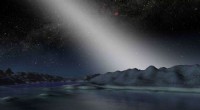
* Band of Light: The Milky Way appears as a hazy, milky band of light stretching across the sky.
* Dark Lanes: Look for darker, dusty lanes within the band of light – these are regions where stars are obscured by gas and dust.
* Star Clusters: Some star clusters within the Milky Way can appear as brighter, denser patches of light.
Resources:
* Apps: Use a stargazing app like Stellarium or SkySafari to help you locate constellations and the Milky Way.
* Online Resources: Websites like EarthSky and the National Geographic website provide information about the Milky Way and observing it.
Remember: Patience and practice are key to spotting the Milky Way. Don't get discouraged if you don't see it immediately. Keep trying on clear nights, and eventually, you'll be able to identify this spectacular cosmic wonder!