The analysis of materials from the Moon and Mars has provided invaluable insights into the formation and evolution of our solar system, revealing secrets about these celestial bodies and their relationships to Earth. Here's a breakdown of the different techniques and discoveries:
Methods of Analysis:
* Spectroscopy: Examining the light emitted or absorbed by materials to determine their chemical composition.
* X-ray Diffraction: Determining the structure and arrangement of atoms in minerals and rocks.
* Isotopic Analysis: Studying the ratios of different isotopes of elements to understand the age, origin, and processes that shaped these materials.
* Microscopy: Using various types of microscopes to examine the texture, structure, and mineral composition of materials in detail.
* Elemental Analysis: Measuring the abundance of different elements present using techniques like mass spectrometry.
Key Discoveries:
Moon:
* Formation: Lunar rocks have compositions very similar to Earth's mantle, indicating that the Moon likely formed from a giant impact event involving Earth.
* Early History: Isotopic analysis reveals that the Moon was bombarded by numerous asteroids and comets in its early history, contributing to its volcanic activity and cratering.
* Volcanism: The Moon exhibits evidence of extensive volcanism, with basalts and anorthosites indicating a complex history of magma formation and eruption.
* Water Ice: Recent discoveries have confirmed the presence of water ice in permanently shadowed craters at the lunar poles, raising implications for future lunar exploration.
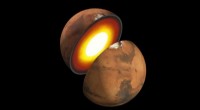
Mars:
* Past Habitability: Evidence suggests that Mars once had liquid water, a thicker atmosphere, and possibly even habitable conditions. Rocks and minerals indicate the presence of ancient lakes and rivers, while organic molecules have been found, hinting at past microbial life.
* Geologic History: Martian rocks and dust reveal a history of volcanic activity, tectonic plates, and erosion by wind and water, indicating a dynamic geological past.
* Atmospheric Composition: Analysis of the Martian atmosphere reveals its composition, including the presence of methane, a potential sign of microbial life or geological processes.
* Mineralogy: Martian rocks are diverse, with evidence of carbonates, sulfates, clays, and iron oxides, providing insights into the planet's past environment and water history.
Future Research:
* Searching for Evidence of Past Life: Further exploration and analysis of Martian samples are crucial to determine if life ever existed on the planet.
* Understanding the Origin of Water: Examining the composition of water ice on the Moon and Mars can shed light on the origin and evolution of water in our solar system.
* Unveiling the Formation of Planetary Systems: By comparing the composition of materials from different celestial bodies, we can learn about the processes that led to the formation of planets and moons.
* Resource Utilization: Analysis of lunar and Martian materials can reveal potential resources for future exploration and colonization.
The study of materials from the Moon and Mars has revolutionized our understanding of the solar system. By examining these celestial bodies, we gain valuable insights into the origin and evolution of our planet and the possibility of life beyond Earth. The future of planetary science lies in continued exploration and analysis, promising more exciting discoveries and a deeper understanding of our cosmic neighborhood.