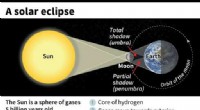
* Sun's Mass: Supernovae are the explosive deaths of massive stars, typically those at least 8 times the mass of our Sun. Our Sun is a relatively small star, belonging to the category of "yellow dwarfs."
* Sun's Fuel: Stars like our Sun primarily fuse hydrogen into helium. This process will continue for billions of years. Eventually, the Sun will run out of hydrogen fuel in its core.
* Red Giant Phase: As the Sun's core contracts, it will heat up, causing the outer layers to expand, transforming it into a red giant. This will engulf Mercury, Venus, and possibly Earth.
* White Dwarf: After the red giant phase, the Sun will shed its outer layers, leaving behind a dense, hot core known as a white dwarf. White dwarfs are the remnants of stars like our Sun. They are incredibly dense, but not massive enough to collapse further and trigger a supernova.
What happens to our Sun after its red giant phase?
After the red giant phase, the Sun will become a white dwarf, which will slowly cool down and fade away over billions of years.
So, while our Sun will eventually die, it will not end in a spectacular supernova explosion. Instead, it will peacefully fade away, leaving behind a white dwarf, a celestial ghost of its former self.