* Micrometeoroids: Tiny particles from space constantly bombard the moon. These impacts pulverize the lunar surface, creating dust.
* Solar wind: The constant stream of charged particles from the sun can erode the lunar surface, contributing to dust formation.
* Volcanic eruptions: In the moon's ancient past, volcanic activity spewed out ash and dust, which settled on the surface.
* Impact ejecta: When larger meteoroids impact the moon, they create craters and hurl debris across the surface, including dust.
How dust is transported:
* Lunar dust devils: These are miniature dust storms created by the heating and cooling of the lunar surface.
* Moonquakes: These tremors can shake the lunar surface and cause dust to be released.
* Solar radiation pressure: The pressure from sunlight can push dust particles around.
* Electrostatic forces: The dust particles themselves can become charged by the solar wind and interact with each other.
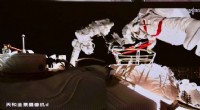
Interesting fact: The dust on the moon is very fine and abrasive. It can stick to spacesuits and equipment, causing wear and tear. This was a major challenge for the Apollo astronauts.
In essence, the moon's dust is a product of its constant bombardment by space debris, solar wind, and past volcanic activity, and its unique environment allows for the dust to be transported and redistributed in fascinating ways.