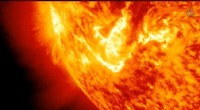
1. Carries Energy: Stars are giant balls of hot gas undergoing nuclear fusion. This fusion process releases tremendous amounts of energy, which travels outwards as light and heat. This energy is what makes life possible on Earth.
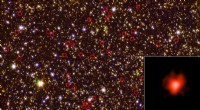
2. Provides Information: By studying the light from stars, astronomers can learn a lot about them:
* Temperature: Different colors of light correspond to different temperatures. Hotter stars emit more blue light, while cooler stars emit more red light.
* Composition: By analyzing the spectrum of light (the different wavelengths present), astronomers can identify the elements present in a star's atmosphere.
* Motion: The Doppler effect causes the light from stars moving towards us to be shifted towards the blue end of the spectrum, and the light from stars moving away from us to be shifted towards the red end. This helps us understand the motion of stars in our galaxy.
* Age and Evolution: The light from a star changes over time as it ages, helping astronomers understand the life cycle of stars.
3. Influences Other Objects:
* Planets: Light from a star provides energy to planets, warming them and potentially supporting life.
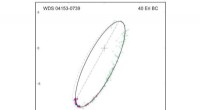
* Other Stars: The light from one star can influence the evolution of other stars, particularly in close binary systems.
* Interstellar Gas and Dust: Light from stars can ionize and heat the gas and dust in the interstellar medium, creating nebulae and influencing the formation of new stars.
4. Makes the Universe Visible: Without the light from stars, we would see nothing in the vastness of space. Stars are the beacons that allow us to explore the universe.
In short, the light from stars is a powerful tool for understanding the universe and plays a crucial role in the cosmos.