Here's how it works:
* Sunlight: The Sun is a massive star that emits its own light.
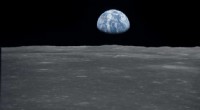
* Reflection: When sunlight hits the Moon's surface, some of it bounces back towards Earth. This reflected light is what we see as moonlight.
* Rough surface: The Moon's surface is quite rough, with craters, mountains, and dust. This rough surface helps to scatter the sunlight in many directions, making it appear bright.
The brightness of the Moon depends on several factors:
* Phase: The Moon goes through different phases (new moon, crescent, full moon, etc.). During a full moon, the entire face of the Moon is illuminated by sunlight, making it appear very bright.
* Distance from Earth: The Moon's orbit isn't perfectly circular, so its distance from Earth varies. When it's closer, it appears brighter.
* Atmosphere: Earth's atmosphere can scatter and absorb some of the reflected light, making the Moon appear dimmer.
So, while the Moon may seem like a bright star, it's actually a giant mirror reflecting the light of our Sun!