Sunlight's Influence on Temperature:
* Extreme Temperature Fluctuations: The moon has no atmosphere to regulate temperature, leading to extreme swings.
* Daytime: Direct sunlight can heat the lunar surface to scorching temperatures, reaching up to 127°C (261°F).
* Nighttime: Without sunlight, the surface quickly radiates heat back into space, dropping to -173°C (-279°F).
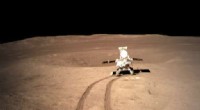
* Surface Material: The moon's surface is primarily composed of regolith, a fine, powdery material that absorbs and radiates heat efficiently. This contributes to the rapid temperature changes.
* Crater Shadows: Craters cast long, deep shadows, creating cold "pockets" that can remain permanently frozen, even during the lunar day.
Geological Processes Impacted by Temperature:
* Thermal Stress: The drastic temperature swings cause the lunar surface to expand and contract, creating significant stress. This can lead to:
* Micro-meteorite Impacts: The expansion and contraction can dislodge small particles, leading to the "gardening" of the lunar surface.
* Dust Movement: The temperature changes can create convection currents in the thin lunar atmosphere, leading to dust storms and movement of loose regolith.
* Ice Formation: The cold temperatures in permanently shadowed craters allow for the existence of ice, possibly deposited by comets or asteroids. This ice is a valuable resource for future lunar exploration.
* Volcanic Activity: While the moon's volcanic activity is generally inactive, the thermal stress from sunlight might have played a role in past volcanic eruptions.
Other Factors:
* Solar Wind: The moon is constantly bombarded by the solar wind, which consists of charged particles from the sun. This bombardment can cause erosion and alter the lunar surface.
* Micrometeorites: The impact of small particles from space also plays a role in shaping the lunar surface.
In Summary:
The presence of sunlight on the moon has a profound impact on its surface temperature, driving extreme fluctuations. These temperature changes, in turn, drive significant geological processes, including dust movement, surface gardening, and the potential for ice formation. The combination of sunlight, solar wind, and micrometeorites is responsible for the moon's unique and ever-changing surface.