1. Size and Type of Telescope:
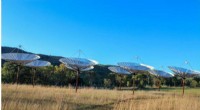
* Small telescopes: Will show stars as bright points of light, much like you see with the naked eye. However, they may reveal more detail in the color and intensity of the light.
* Larger telescopes: Can resolve some stars into small discs, allowing you to see their actual size and shape. This is especially true for giant stars like Betelgeuse.
2. Magnification:
* Low magnification: Shows a wider field of view, but stars appear smaller and less detailed.
* High magnification: Provides a closer look at individual stars, revealing more detail in their color and structure. However, it also reduces the field of view, making it harder to find fainter stars.
3. Atmospheric Conditions:
* Clear skies: Provide the best views of stars, with crisp images and minimal blurring.
* Turbulent atmosphere: Can cause stars to twinkle and distort their shape, making them difficult to observe.
4. Specific Star Properties:
* Binary stars: Two stars orbiting each other may be resolved as separate points of light.
* Variable stars: Show changes in brightness over time, which can be observed with a telescope.
* Nebulae: Clouds of gas and dust around stars can be seen in great detail, revealing intricate shapes and colors.
General Observation:
* Color: Stars appear in a variety of colors depending on their temperature. Hotter stars are blue-white, while cooler stars are red.
* Brightness: Stars vary in brightness, with some appearing faint while others are extremely bright.
* Shape: Most stars appear as points of light, but some giant stars may show a small disc.
* Structure: Telescopes can reveal details about the structure of stars, such as the presence of rings, jets, or other features.
Remember: While telescopes enhance our view of stars, they don't magically transform them into giant, colorful objects. Most stars will still appear as points of light, but the detail and clarity will be significantly improved.
Bonus Tip: Many telescopes come with a "star diagonal," a device that bends the light path to allow for comfortable viewing. This can make a big difference in observing faint stars.