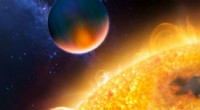
* Brightness as measured by luminosity: The Sun is much brighter than any star in the night sky. It's not just closer, it actually emits far more light. Other stars, even giants, are less luminous than our Sun.
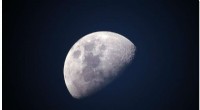
* Brightness as perceived by our eyes: The Moon appears brighter than stars because it reflects sunlight, and it's much closer to Earth.
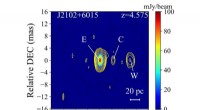
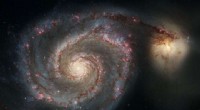
* Brightness in specific wavelengths: Some objects, like pulsars and quasars, emit a lot of energy in wavelengths we can't see, like radio waves or X-rays. These might be considered "brighter" than stars in those specific wavelengths, even if they appear dim to our eyes.
* Artificial light: Streetlights, car headlights, and other human-made light sources can be much brighter than stars in a city.
So, the answer really depends on your perspective and how you define "brightness." Let me know if you'd like to explore any of these concepts further!