Internal Processes:
* Volcanism: The eruption of molten rock (magma) from the planet's interior onto its surface. This can create volcanoes, vast plains of lava, and even entire mountain ranges.
* Tectonics: The movement of the planet's crustal plates. This can cause mountains, trenches, rift valleys, and earthquakes.
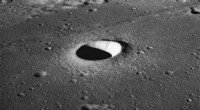
* Impact cratering: The bombardment of a planet by asteroids, comets, or other celestial bodies. This can create craters, raised rims, and ejected material spread across the surface.
* Differentiation: The separation of a planet's interior into layers of different densities. This process leads to a core, mantle, and crust.
* Erosion: The wearing down of a planet's surface by wind, water, ice, or other agents. This can create canyons, valleys, and sand dunes.
External Processes:
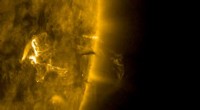
* Solar wind: A stream of charged particles from the sun. This can strip away a planet's atmosphere and influence its magnetic field.
* Cosmic rays: High-energy particles from space. These can damage a planet's atmosphere and surface.
* Meteors: Smaller pieces of rock and dust that enter a planet's atmosphere. They can burn up or create impact craters.
Specific Examples:
* Mountains: Formed through tectonic activity, volcanic eruptions, or impact cratering.
* Canyons: Created by erosion from wind, water, or ice.
* Oceans: Form through the accumulation of water from various sources, such as comets and volcanic outgassing.
* Atmospheres: Develop through a variety of processes, including volcanic outgassing, impact events, and capture of gas from the solar nebula.
* Magnetic fields: Generated by the movement of molten iron in a planet's core.
Important Considerations:
* Planetary composition: The composition of a planet greatly influences its features. Rocky planets tend to have more surface features than gas giants.
* Planetary age: Older planets tend to have more craters and other features from past impacts.
* Planetary size and gravity: Larger planets tend to have more volcanic activity and greater gravity, which can influence the shape and features of their surfaces.
Understanding the interplay of these processes is crucial for understanding how planetary features form and evolve over time. It helps us unravel the history of our solar system and the formation of other planetary systems throughout the universe.