Here's a breakdown:
* What happens: When a star like our Sun runs out of fuel, it sheds its outer layers, forming a beautiful planetary nebula. The remaining core, which is incredibly hot and dense, is what we call a white dwarf.
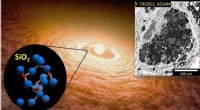
* Composition: White dwarfs are primarily composed of carbon and oxygen, the remnants of the star's nuclear fusion process.
* Size: They are about the size of the Earth, but incredibly dense, packing the mass of a star into a small volume.
* Color: The "white" in white dwarf refers to their color. They start out very hot and blue, but as they cool over billions of years, they gradually become redder.
So, the next time you see a planetary nebula, remember that at its heart lies a white dwarf, a stellar remnant marking the end of a star's life.